
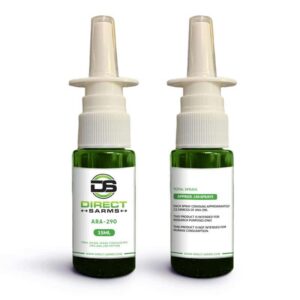


What Is ARA-290 Peptide?
ARA-290, also known as cibinetide or pyroglutamate helix B surface peptide (pHBSP), is a synthetic peptide derived from the helix B region of erythropoietin (EPO). Published studies describe it as a nonerythropoietic, erythropoietin-derived peptide modeled from the three-dimensional structure of the helix B domain of the EPO molecule.
In the scientific literature ARA-290 is described as an 11-amino-acid experimental peptide used to investigate erythropoietin-derived signaling pathways. Although several clinical studies have been published, the current body of evidence remains predominantly preclinical.
Research Overview Table
Chemical and Molecular Characteristics
ARA-290 was developed by modeling the three-dimensional structure of the external aqueous face of the helix B domain of erythropoietin rather than by reproducing the complete protein sequence. This design produced a peptide that is structurally distinct from native erythropoietin and differs from conventional protein biologics described in the literature.
Another notable molecular characteristic is the conversion of the original helix B surface peptide (HBSP) into pyroglutamate helix B surface peptide (pHBSP) through the spontaneous and irreversible cyclization of the N-terminal glutamine residue. This structural modification is one of the defining chemical features reported in published studies.
Certificates:
Mechanism of Action Under Investigation
ARA-290 was designed to isolate the tissue-protective signaling region of erythropoietin without activating the receptor that controls erythropoiesis. Instead of binding to the classical erythropoietin receptor homodimer, ARA-290 is thought to interact with the innate repair receptor, a receptor complex proposed to include EPOR and CD131.
Current research suggests that receptor binding triggers JAK2 phosphorylation, which acts as an early signaling event after receptor activation. Researchers have also investigated downstream signaling through STAT5, MAPK, and NF-κB, although the contribution of each pathway has not been fully defined. Most mechanistic studies have measured receptor-associated signaling by examining changes in phosphorylation and intracellular signaling proteins.
Scientific Research Context
ARA-290 appears in published research because of its potential relevance to several areas of experimental biology. Researchers have studied the peptide in relation to neuropathy, inflammation, metabolic regulation, and tissue biology. Most evidence comes from in vitro studies and preclinical animal research, with comparatively little human research.
ARA-290 Biology and Biological Pathways
Primary Biological Function
Research on ARA-290 has focused on its role in nonhematopoietic cellular responses, particularly those involving neural and immune cells. Published studies have examined responses in peripheral nerves, Schwann cells, lymphocytes, and macrophages. These systems are investigated to characterize cellular responses associated with the peptide rather than to establish a single biological function for ARA-290.
Relevant Metabolic or Signaling Pathways
Researchers have examined JAK2, PI3K/Akt, and NF-κB signaling in studies of ARA-290. These pathways help researchers examine changes in intracellular signaling and inflammatory regulation associated with the peptide.
Tissue-Specific Biology
ARA-290 research has involved several biological tissues and cell types, including peripheral nerves, vascular tissue, cardiac tissue, and immune cells. Studies have also examined pancreatic and retinal tissues. Examining different tissues is important because the biological pathways and cellular responses associated with the peptide may vary between tissue types.
Experimental Biomarkers
Researchers have used Iba-1 and GFAP to assess microglial and astrocyte responses in experimental nerve injury. Other studies have measured corneal nerve fiber density and GAP-43–positive intraepidermal nerve fibers as markers of small-fiber structure and regeneration. These biomarkers give researchers measurable endpoints for evaluating cellular and tissue-level changes in ARA-290 studies.
Laboratory Investigation Methods
Published studies have used methods including protein analysis, gene-expression measurements, immunohistochemistry, cytokine assays, microscopy, and tissue analysis. The choice of method depends on the biological question being examined. Protein and gene analyses can characterize molecular changes, while imaging and tissue-based techniques provide information about cellular and structural changes. These approaches allow different levels of the biological response to be examined within the same research framework.
Experimental Models Used in Published Research
Researchers have studied ARA-290 in a range of cell-based and animal models, including cultured neural and endothelial cells, nerve-inflammation models, diabetic mice, autoimmune neuroinflammation models, and retinal ischemia models. These models represent different experimental conditions and therefore have different limitations. Findings from any single model cannot capture the full complexity of human biology.
Cell-Based Models
Researchers have studied ARA-290 in cultured endothelial colony-forming cells (ECFCs) and Schwann cells. These in vitro models allow researchers to examine cellular responses under controlled conditions. Their main limitation is that isolated cell cultures do not capture the interactions between different cell types and tissues in a living organism.
Neuritis Models
Researchers have used rat neuritis models in which peripheral nerve inflammation is experimentally induced. These models provide a controlled way to study inflammatory nerve conditions, but they represent an induced form of neuritis and cannot capture the full range of neuropathic conditions seen in humans.
Diabetic Mouse Models
The Ins2Akita mouse has been used as a model of diabetic autonomic neuropathy, with pathology developing in sympathetic ganglia after diabetes onset. Its main limitation is that it represents a specific genetic form of diabetes and does not reproduce the full range of diabetic neuropathy seen in humans.
Experimental Autoimmune Encephalomyelitis Models
Researchers have used Lewis rats with experimental autoimmune encephalomyelitis (EAE) as a model of autoimmune neuroinflammation. EAE provides a controlled model of central nervous system inflammation, but it does not reproduce all features of human multiple sclerosis.
Oxygen-Induced Retinopathy Models
The oxygen-induced retinopathy (OIR) mouse model has been used to study ARA-290 in experimental retinal ischemia. OIR provides a defined model of retinal vascular injury, but oxygen-induced pathology represents only one experimental form of retinal disease.
ARA-290 Published Research
Neuropathy and Nerve Research
Research has examined ARA-290 in diabetic neuropathy, sarcoidosis-associated small-fiber neuropathy, inflammatory neuritis, and peripheral nerve injury. Published studies have also explored small-fiber loss and neuropathic pain as distinct areas of interest. The literature therefore covers several aspects of peripheral nerve biology, from neuropathy associated with systemic disease to nerve damage following injury.
Diabetes and Metabolic Research
Researchers have investigated ARA-290 in diabetes and metabolic control, including changes in glycemic status and lipid profiles. Published research includes a Phase 2 study in people with type 2 diabetes, as well as preclinical research in diabetic mice.
Retinal and Vascular Research
Research has examined ARA-290 in retinal ischemia, vascular regeneration, and diabetic macular edema. Published studies have also explored its role in the vascular changes associated with ischemic retinal disease and diabetic retinal disease.
Inflammatory Research
Studies have examined ARA-290 in experimental autoimmune neuritis, pancreatic islet transplantation, systemic lupus erythematosus, and experimental colitis. Research in these areas has focused on inflammatory processes involving the peripheral nervous system, pancreatic islets, autoimmune disease, and intestinal inflammation.
Human Clinical Research
Human research has examined ARA-290 in sarcoidosis-associated small-fiber neuropathy, type 2 diabetes with painful neuropathy, and diabetic macular edema. Clinical studies have also examined changes in small nerve-fiber measures, neuropathic symptoms, metabolic control, and retinal outcomes. The published human literature therefore covers several distinct clinical research questions rather than a single indication.
Limitations of Current Research
Evidence Is Predominantly Preclinical
The main limitation is the limited human evidence compared with the larger body of preclinical research. Human studies remain relatively few.
Human Clinical Evidence
Human clinical evidence remains limited by small study populations and short study periods. Published ARA-290 trials have included a 22-patient sarcoidosis study, a type 2 diabetes study with 48 evaluable participants, and a diabetic macular edema study that enrolled nine participants, of whom eight completed the trial.
Species Differences
Differences between animal species and humans limit how confidently findings from preclinical ARA-290 studies can be applied to humans. The published literature does not establish that responses observed in the animal studies will occur in the same way in human studies.
Study Design Limitations
The published clinical studies differ in sample size, treatment duration, study population, and study design. Some investigations were exploratory or involved short treatment periods. These differences make direct comparison across studies difficult and limit the conclusions that can be drawn from the clinical evidence.
Independent Replication
The published ARA-290 literature remains relatively small, and several research areas have been examined in a limited number of studies. Independent studies using different research groups and study designs would strengthen confidence in whether reported observations are reproducible.
Long-Term Evidence
Long-term human evidence remains limited. Published clinical studies have followed participants for relatively short periods, including 28 days of treatment with 28 days of follow-up in type 2 diabetes and 12 weeks of treatment in diabetic macular edema.
Analytical Documentation
HPLC helps determine how much of the sample consists of ARA-290 rather than related substances. LC-MS adds molecular-mass information, which helps confirm that the detected material matches the expected peptide. When appropriate, NMR can provide additional information about the peptide's molecular structure.
A Certificate of Analysis (CoA) brings the batch-specific testing together. It records the tests performed and their reported results, such as identity and purity. Using these forms of analytical documentation gives researchers a clearer basis for confirming what material they are working with and whether it meets the stated specifications.
Analytical documentation verifies product identity and quality rather than biological performance.
Storage and Laboratory Handling
ARA-290 should be handled by qualified laboratory personnel using appropriate procedures for research peptides. Store the peptide according to the product-specific storage specifications and protect it from conditions that may affect its quality. Peptide storage and handling guidelines emphasize controlling factors that can contribute to degradation and maintaining suitable storage conditions.
Keep the container properly closed when not in use and use clean handling practices to reduce contamination. Limit unnecessary exposure to moisture, heat, and other environmental factors during handling. ARA-290 is intended for laboratory research only.
Why choose us?
Direct SARMs is an established supplier of research peptides. We are committed to product quality, reliable service, and helpful customer support.
Our European-made products undergo rigorous purity testing, with clear product information provided for each research material. We also aim to provide dependable shipping and a smooth ordering experience.
Our support team is available to assist with orders, shipping, payments, and general questions. At Direct SARMs, we aim to make the research supply process simple, clear, and reliable.